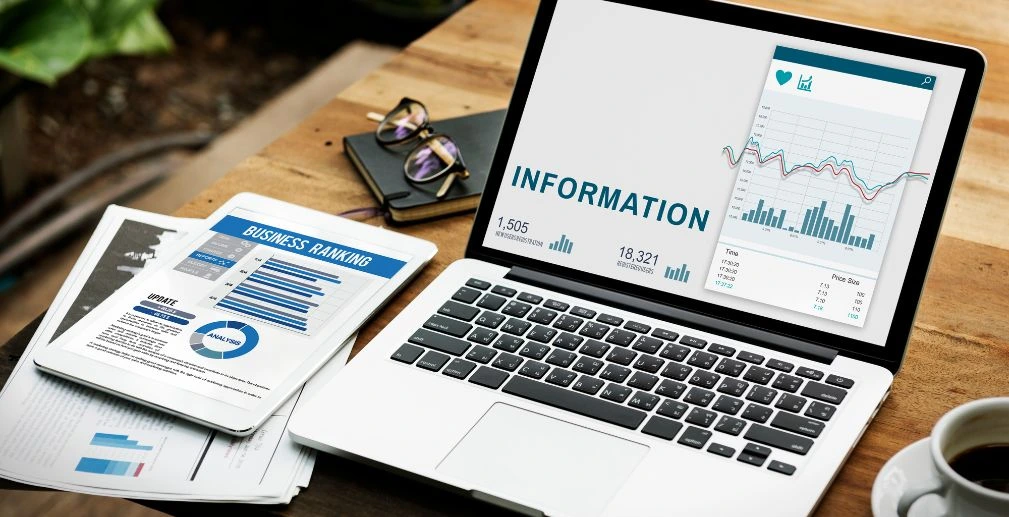
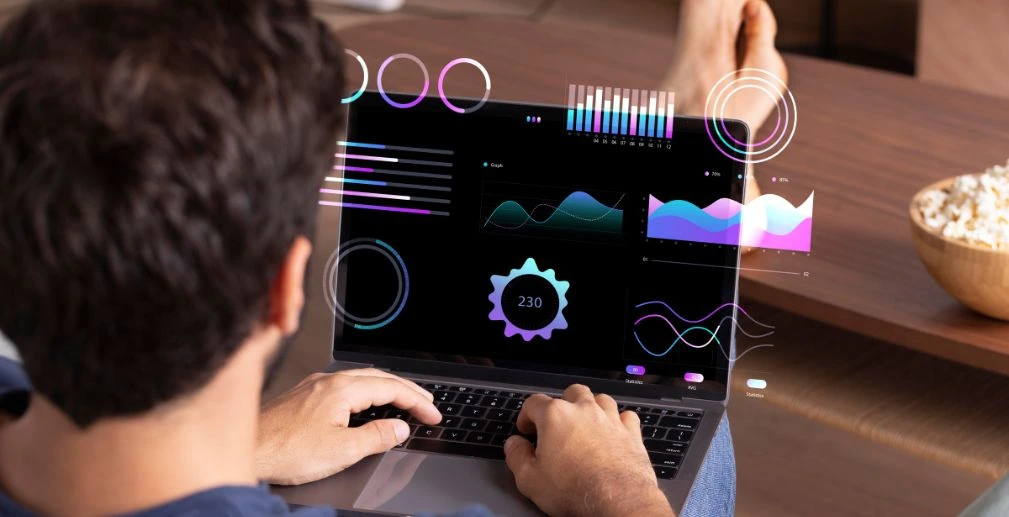
In the digital-first landscape of 2025, your website is so much more than an online brochure; it’s your virtual front door, your lead generation engine and often, the very first impression a potential client has of your Australian business. As we navigate this dynamic environment, crafting a “Next-Gen User Experience (UX)” isn’t just a design goal – it’s a fundamental business imperative. A staggering 94% of first impressions relate to your site’s web design and in a world where attention spans are shrinking, those initial seconds are golden.
At APT Business Services, while we champion efficient back-office solutions, we also recognise that your digital presence is inextricably linked to your overall success. A user-friendly website that captivates and converts is a powerful asset. So, let’s explore the top web design trends in Australia for 2025 that are shaping how users interact, engage and ultimately, connect with your brand.
Hyper-Personalization: AI weaving individual experiences
The era of one-size-fits-all websites is rapidly fading. In 2025, AI-powered hyper-personalization is taking centre stage. Imagine a website that dynamically adjusts content, product recommendations and even layouts based on individual user behaviour, preferences and past interactions. This isn’t science fiction; it’s happening now. Reports indicate that businesses using advanced personalization report a $20 return for every $1 spent, a testament to its power. This trend is a direct application of core user experience (UX) design principles, focusing on relevance and delivering precisely what the user needs, often before they explicitly ask.
Immersive interactions & rich storytelling
Users today crave engagement, not just information. We’re seeing a surge in:
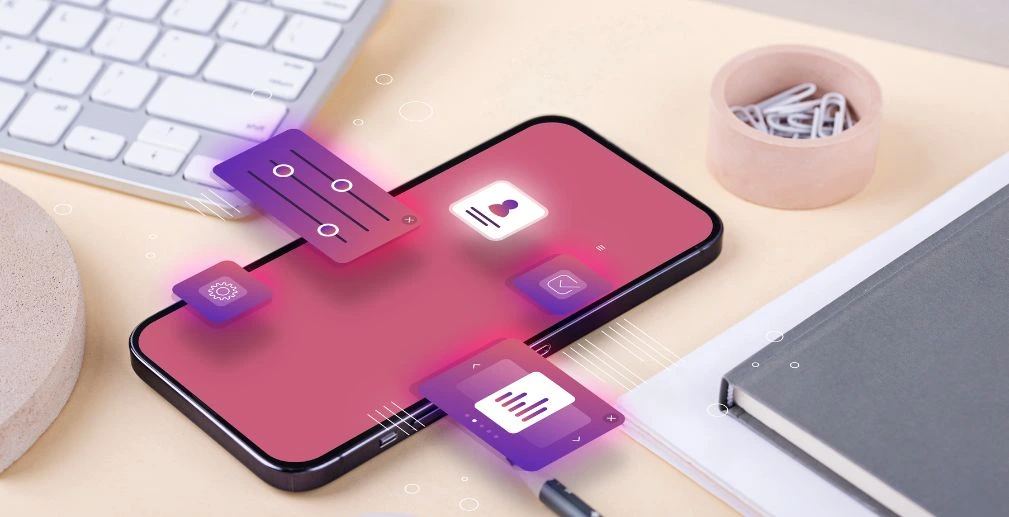
Microinteractions: Small animations or visual feedback that acknowledge user actions, making interfaces feel more alive and responsive.
Sophisticated Animations & Transitions: Used purposefully to guide the eye, explain complex processes or simply add an element of delight.
Kinetic Typography: Animated text that adds emphasis and visual interest, making content more engaging.
3D Elements & Neumorphism: Subtle 3D effects and soft, tactile interfaces are creating more depth and visual appeal, moving beyond stark flat design.
These elements, when used judiciously, can transform a passive browse experience into an active, memorable journey. Indeed, interactive content has been shown to generate 2x more engagement than static content.
With over 85% of Australians accessing the internet via their smartphones daily, the “mobile-first” mantra is more critical than ever. But responsive web design best practices in 2025 go beyond simple screen resizing. It’s about:
Adaptive Content: Tailoring not just the layout but also the content itself for mobile users, prioritising information and optimising for touch interaction.
Blazing Mobile Performance: Mobile users are notoriously impatient; 53% of mobile site visits are abandoned if pages take longer than 3 seconds to load, according to Google research.
Thumb-Friendly Navigation: Ensuring key interactive elements are easily reachable.
This focus ensures a seamless and effective experience, regardless of the device.
Accessibility (a11y): A fundamental pillar of modern UX
Designing for everyone is no longer a niche concern but a core component of ethical and smart web design. Adherence to website accessibility standards in Australia, primarily the Web Content Accessibility Guidelines (WCAG) 2.1 AA level, is crucial. This involves designing for users with diverse abilities, including visual, auditory, motor and cognitive impairments. Beyond the clear ethical imperative, consider that nearly 1 in 5 Australians (around 4.4 million people) live with some form of disability. An accessible website not only expands your potential audience but also improves overall usability for everyone and can positively impact SEO.
Headless CMS: unleashing Flexibility and Performance
For businesses looking for ultimate flexibility and performance, headless CMS for website development is a significant trend. Unlike traditional CMS where the front-end (the “head,” or what users see) is tightly coupled with the back-end (content repository), a headless CMS decouples them. This allows content to be delivered via APIs to any platform – websites, mobile apps, IoT devices and more. Benefits include:
Enhanced Performance: Often leading to faster load times, crucial for UX and SEO.
Improved Security: Reduced attack surface for the content management part.
Greater Scalability & Flexibility: Easier to adapt and integrate with new technologies.
While not for every project, its adoption is growing, with the global headless CMS market projected to grow by over 20% annually in the coming years.
Data-Driven Design & Continuous Optimization
The best UX isn’t born from guesswork; it’s cultivated through data. Heatmaps, A/B testing, user session recordings and analytics provide invaluable insights into how users actually interact with your site. This data-driven approach allows for continuous refinement of user experience (UX) on your site, ensuring it’s always evolving to meet user needs. Businesses that effectively use customer journey analytics report up to 15-20% increases in conversion rates
Underpinning it all: Timeless UX design principle
While trends come and go, foundational user experience (UX) design principles remain timeless:
Clarity & Simplicity: Is navigation intuitive? Is the content easy to understand?
Consistency: Do design elements and interactions behave predictably across the site?
Visual Hierarchy: Are important elements clearly emphasized?
Feedback: Does the site acknowledge user actions?
Speed: As mentioned, performance is paramount. Even a 1-second delay in page load time can result in a 7% reduction in conversions.
APT’s perspective: your Website as a Strategic Business Asset
At APT Business Services, we understand that your website is a critical touchpoint in your customer’s journey and a powerful tool for achieving your business objectives. We champion the strategic importance of embracing these next-gen UX trends. A well-designed, user-centric website can:
Enhance brand perception and credibility (research shows 75% of consumers admit to making judgments on a company’s credibility based on its website design).
Improve lead generation and conversion rates.
Increase customer engagement and loyalty.
Streamline online processes, saving your business time and money.
Investing in web design isn’t just about aesthetics; it’s about creating a digital experience that works harder for your business. It’s about ensuring your online presence is not just current but truly future-ready, capable of captivating tomorrow’s customer. With Australian businesses spending over $11 billion annually on digital advertising, ensuring the destination (your website) converts that investment is paramount.
Ready to discuss how your digital presence can better align with your strategic goals?
We know that a website with a strong design makes all the difference. Let APT help you consider all facets of your business success.